
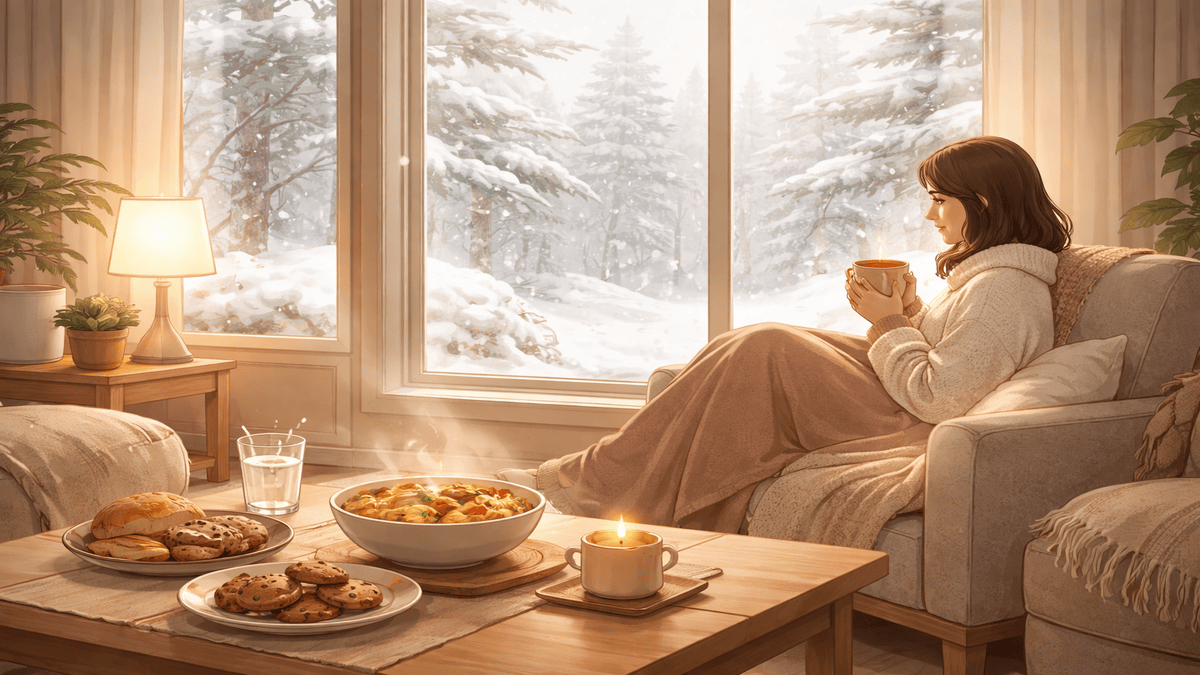
As winter sets in, many people notice a familiar shift. Suddenly, hearty meals, sweet treats, and comfort foods feel harder to resist. You may find yourself reaching for warm carbs or sugary snacks more often than usual, even if your eating habits stay balanced the rest of the year. This seasonal change is not a lack of willpower. Science shows that winter food cravings are influenced by biology, environment, and emotional factors working together.
Understanding Winter Food Cravings
Food cravings are intense desires for specific foods rather than general hunger. In winter, these cravings often lean toward carbohydrates, fats, and sweets. This pattern is common across different ages and lifestyles.
The body responds to seasonal changes in light, temperature, and routine. These changes can affect hormones, energy needs, and even mood, all of which influence appetite and food preferences.
The Role of Shorter Daylight Hours
How Sunlight Affects Brain Chemistry
One of the biggest differences between summer and winter is reduced daylight. Sunlight plays a role in regulating serotonin, a brain chemical linked to mood and appetite. When daylight decreases, serotonin levels may dip slightly.
Lower serotonin can increase cravings for carbohydrate-rich foods. These foods help the body temporarily boost serotonin, which may explain why bread, pasta, and sweets feel especially comforting during darker months.
Melatonin and Appetite Shifts
Winter also affects melatonin, the hormone that regulates sleep. Longer nights can increase melatonin production, leading to more sleepiness and lower energy levels.
When energy feels low, the brain may signal a need for quick fuel. This can show up as cravings for calorie-dense foods that provide fast energy, even if your actual energy needs have not changed much.
Cold Weather and Energy Needs
Does the Body Need More Calories in Winter?
Cold temperatures cause the body to work harder to stay warm. While modern indoor heating reduces this effect, the body may still perceive cold as a signal to conserve energy.
This can subtly increase appetite and preference for warm, filling meals. Think of how a bowl of soup or a hot casserole feels more satisfying than a cold salad on a winter evening.
Comfort and Warmth Association
Warm foods do more than nourish the body. They provide a sense of physical and emotional warmth. Over time, the brain learns to associate these foods with comfort, reinforcing cravings during colder months.
Seasonal Changes in Routine and Activity
Reduced Physical Activity
Winter often brings shorter days and colder weather, which can reduce outdoor movement. Less physical activity may alter hunger signals and eating patterns.
At the same time, boredom from staying indoors more often can increase mindless snacking. Eating becomes a source of stimulation and comfort rather than a response to hunger.
Disrupted Daily Structure
Holiday schedules, travel, and changes in work or school routines can disrupt regular meal timing. When routines shift, hunger cues can become less predictable.
This disruption can make cravings feel stronger, especially for familiar or nostalgic foods tied to seasonal traditions.
Emotional and Psychological Factors
Comfort Eating and Mood
Winter months are often linked with increased stress or low mood for some people. Comfort eating is a natural response to emotional discomfort and is not inherently harmful in moderation.
Foods high in sugar and fat activate reward pathways in the brain. During emotionally challenging times, the brain may seek these foods more frequently for short-term relief.
Seasonal Affective Patterns
Some individuals experience seasonal mood changes during winter. Even mild mood shifts can influence appetite and food choices.
Craving comfort foods during this time is a common coping response and does not necessarily indicate a problem unless it causes distress or health concerns.
Hormonal Influences on Winter Appetite
Ghrelin and Leptin Balance
Ghrelin and leptin are hormones that help regulate hunger and fullness. Seasonal changes in sleep, activity, and light exposure can affect how these hormones function.
Poor sleep, which is more common in winter for some people, may increase ghrelin and reduce leptin. This combination can make cravings feel stronger and satiety harder to achieve.
Stress Hormones and Cravings
Winter stressors such as holidays, finances, or work deadlines can increase cortisol levels. Elevated cortisol is associated with cravings for high-energy foods.
This response is part of the body’s natural stress system and not a personal failure.
Why Cravings Focus on Carbs and Sweets
Quick Energy and Brain Fuel
Carbohydrates are the brain’s preferred energy source. During winter, when fatigue feels more common, the brain may push for quick-access fuel.
Sugary and starchy foods deliver rapid energy, which is why they often top the craving list during colder months.
Cultural and Seasonal Food Cues
Winter comes with strong food associations, such as holiday desserts and traditional comfort meals. These cues can trigger cravings even without physical hunger.
Smells, memories, and social settings all influence appetite, often subconsciously.
Are Winter Food Cravings Normal?
Yes, winter food cravings are a normal response to seasonal changes. They reflect how the body and brain adapt to environmental shifts rather than a sign of poor discipline.
Understanding this can help reduce guilt and promote a more balanced, mindful approach to eating during winter.
Managing Winter Cravings in a Balanced Way
Focus on Regular, Nourishing Meals
Eating regular meals with protein, fiber, and healthy fats can help stabilize blood sugar and reduce intense cravings.
Warm, nutrient-dense foods like soups, stews, and roasted vegetables can satisfy both physical hunger and comfort needs.
Support Mood and Energy Naturally
Exposure to daylight, even on cloudy days, can support mood regulation. Gentle movement, such as walking or stretching, may also help manage cravings.
Adequate sleep plays a key role in appetite regulation and overall well-being.
Allow Flexibility Without Guilt
Completely avoiding comfort foods can make cravings stronger. Allowing space for enjoyment, while maintaining balance, supports a healthier relationship with food.
Small portions enjoyed mindfully are often more satisfying than restriction followed by overeating.
When to Seek Additional Support
If winter cravings are accompanied by significant mood changes, fatigue, or distress around eating, it may be helpful to speak with a qualified healthcare professional.
This article is intended for educational purposes and does not replace individualized medical guidance.
Conclusion: Understanding Winter Cravings With Compassion
Food cravings tend to increase in winter due to a mix of reduced daylight, hormonal shifts, emotional factors, and environmental changes. These cravings are a normal part of seasonal adaptation and not a personal weakness.
By understanding the science behind winter appetite changes, it becomes easier to respond with balance rather than frustration. Supporting your body with nourishing foods, gentle routines, and self-compassion can help you navigate winter cravings in a healthy, sustainable way.
Frequently Asked Questions (FAQs)
Why do I crave carbs more in winter?
Shorter daylight hours can affect serotonin levels, which may increase cravings for carbohydrate-rich foods that temporarily boost mood and energy.
Are winter food cravings linked to weight gain?
Cravings alone do not cause weight gain. Overall eating patterns, activity levels, and stress all play a role.
Can cold weather really increase appetite?
Cold exposure can slightly increase energy needs and influence appetite signals, especially when combined with seasonal behavior changes.
Do vitamins or supplements stop winter cravings?
Supplements are not a guaranteed solution for cravings. Balanced meals, sleep, and routine support appetite regulation more effectively.
Is it unhealthy to eat comfort foods in winter?
Comfort foods can be part of a healthy diet when enjoyed in moderation and alongside nutrient-rich meals.
References
World Health Organization (WHO) – Healthy Diet and Nutrition
Centers for Disease Control and Prevention (CDC) – Healthy Weight, Nutrition, and Physical Activity
National Health Service (NHS) – Food Cravings and Eating Patterns
Mayo Clinic – Serotonin and Mood Regulation
Cleveland Clinic – Hormones and Appetite Control
Healthline – Seasonal Eating and Food Cravings
Image Disclaimer
Some images used in this article are AI-generated for illustrative purposes.
Medical Disclaimer
This article is for informational purposes only and does not replace professional medical advice. Always consult a qualified healthcare provider for medical concerns.
Leave feedback about this